



投稿日:2026年01月07日
Horses are also depicted in the Tsuwano Hyakkeizu, reflecting their importance in daily life, from transport to warfare.
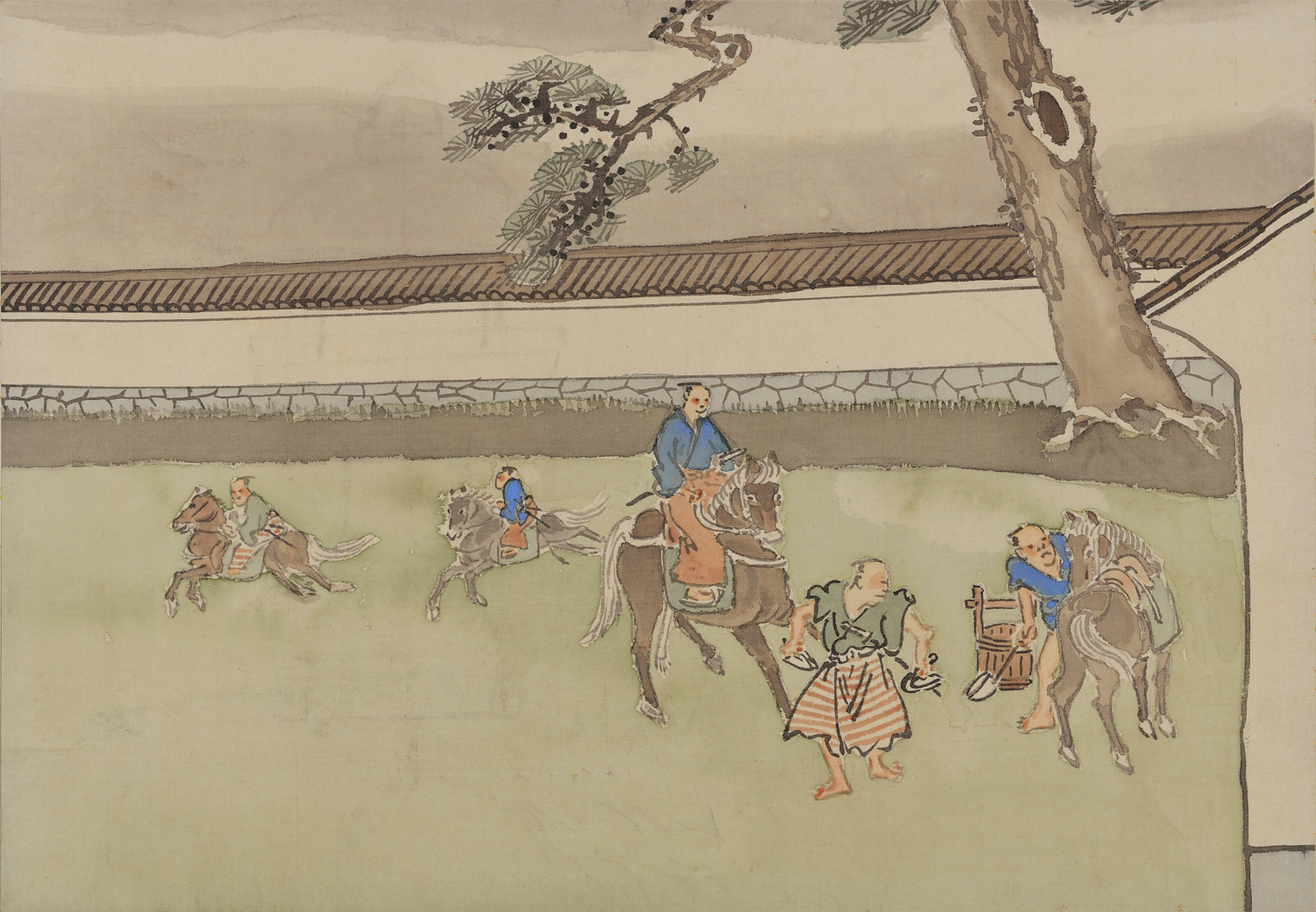
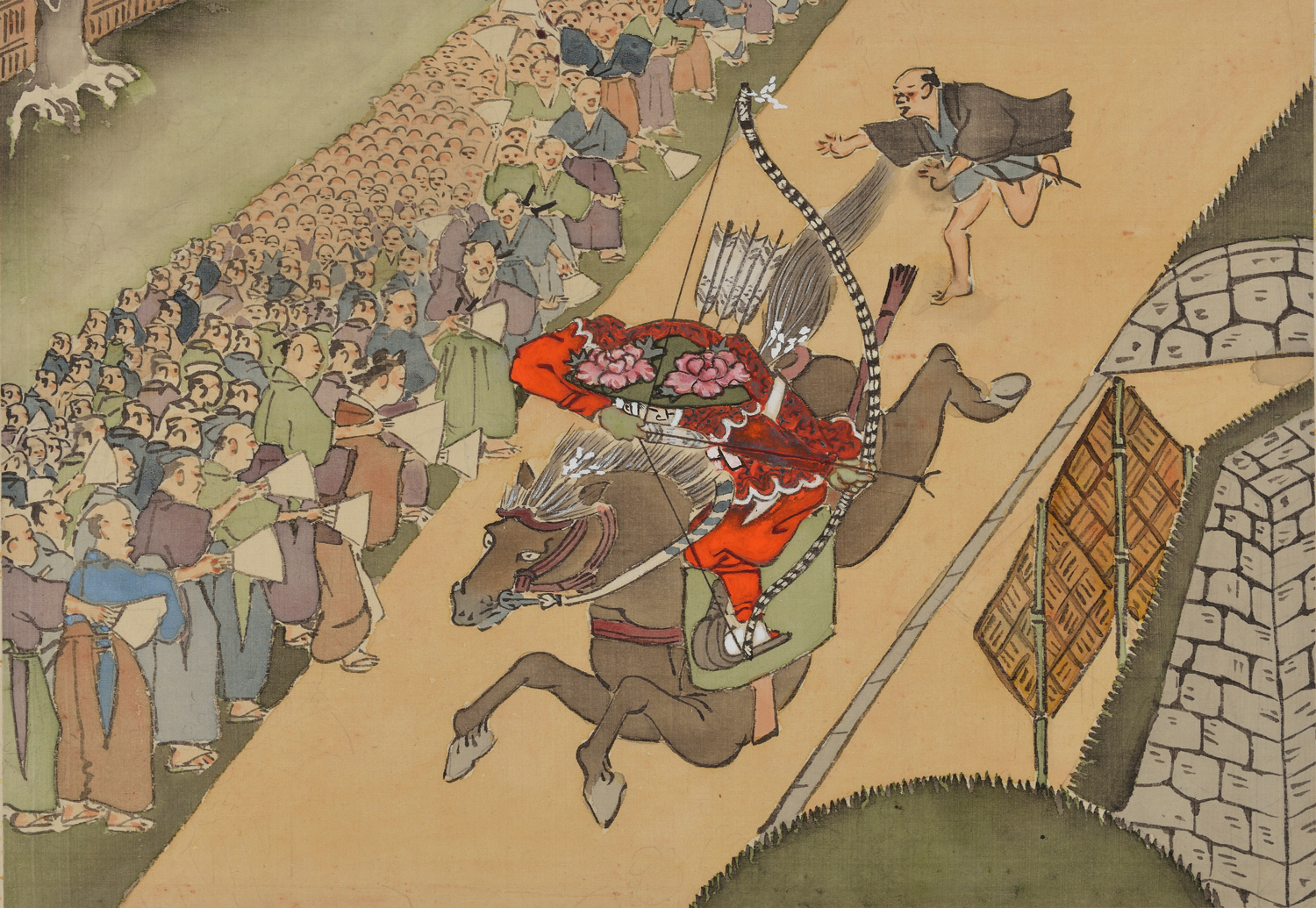
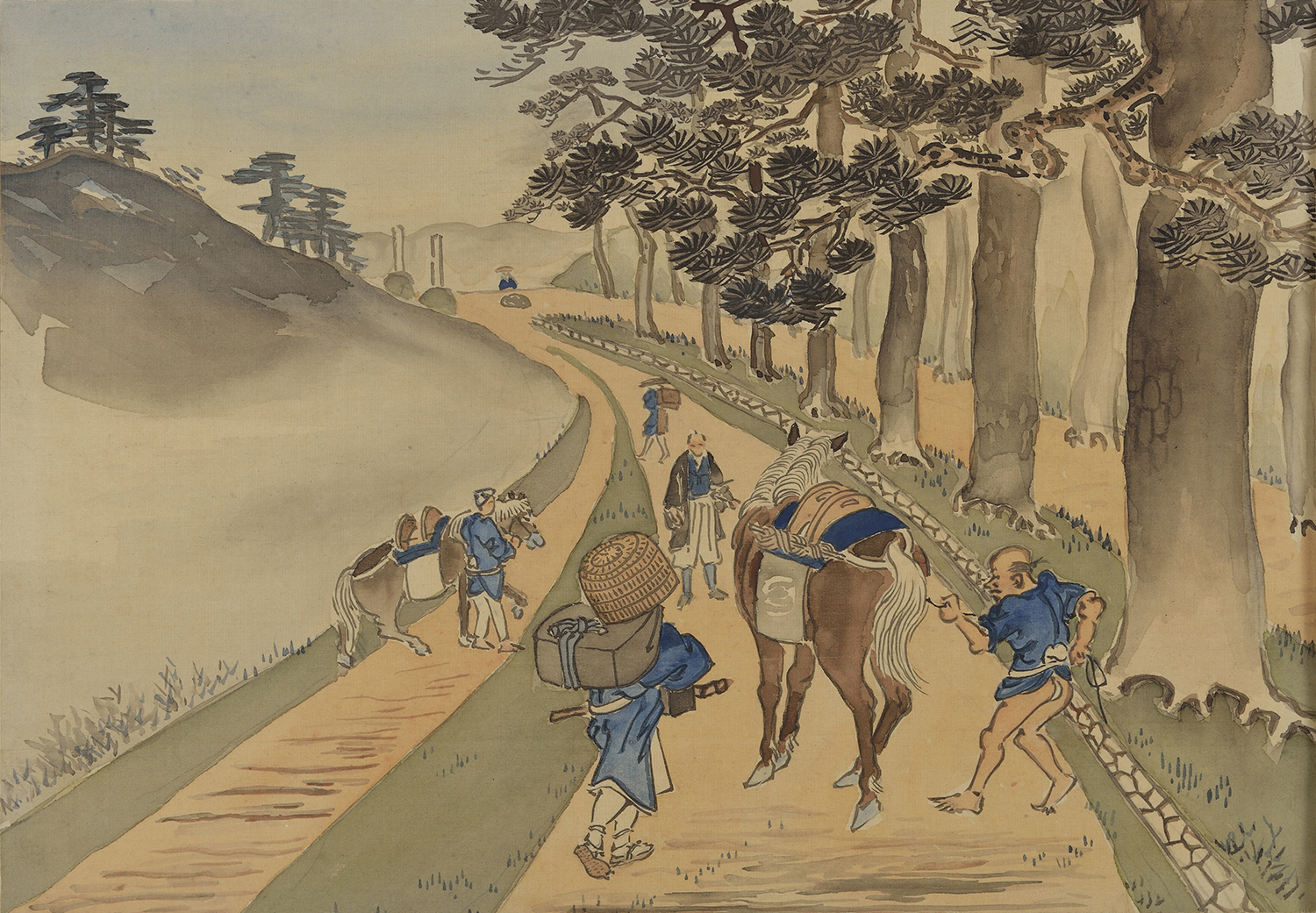
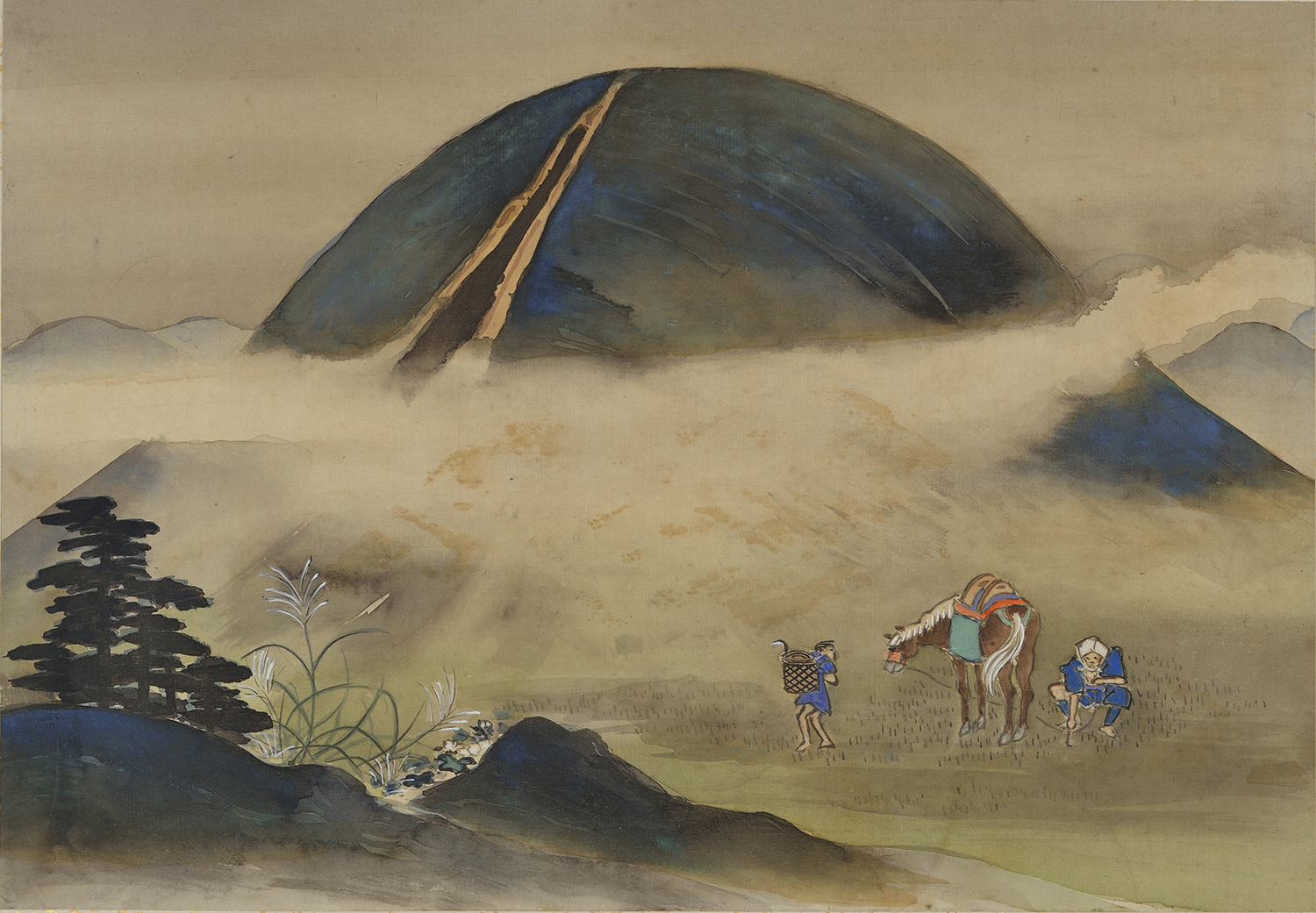
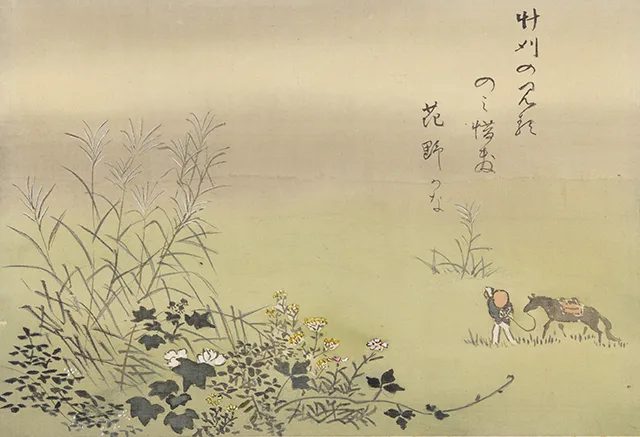
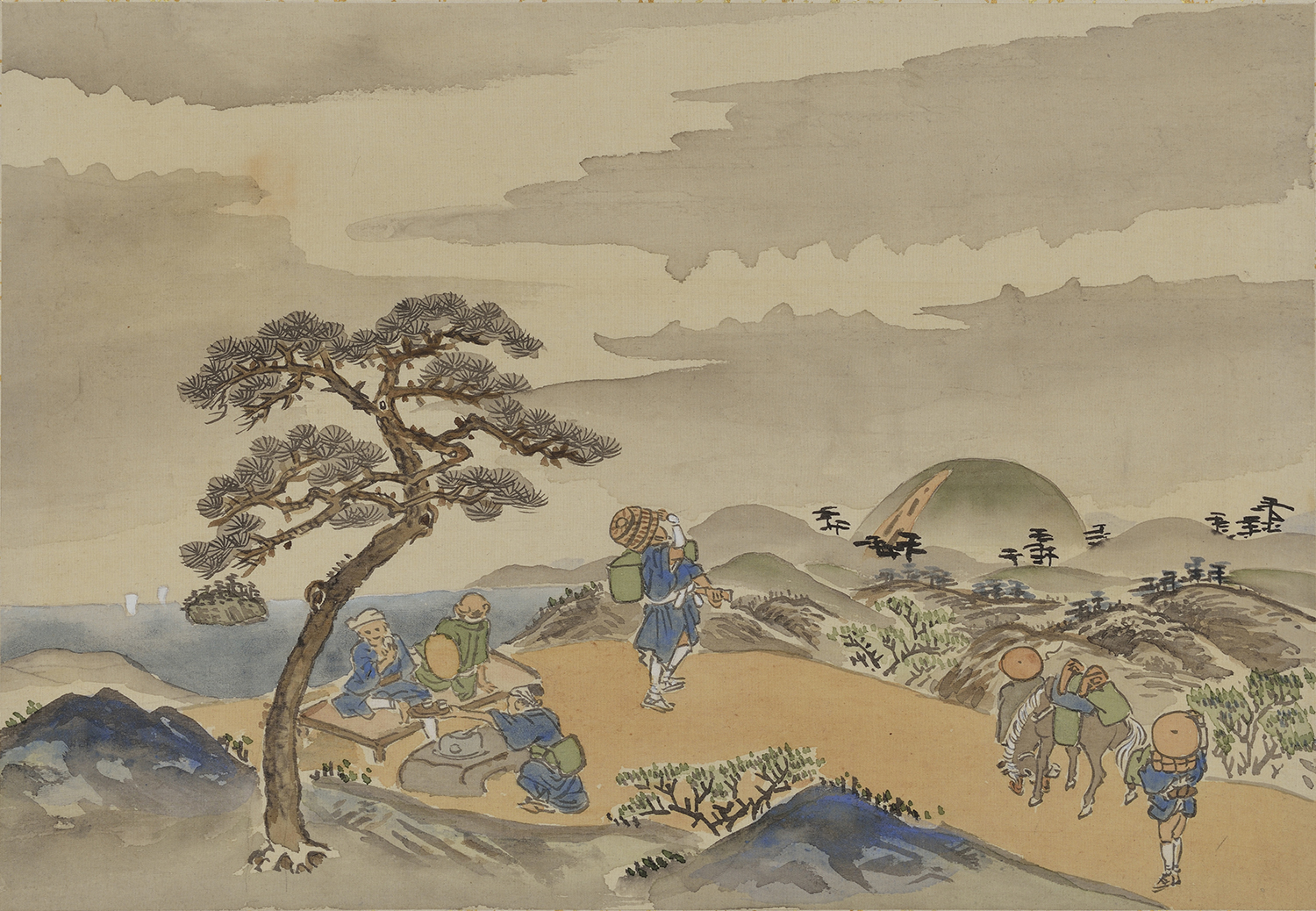
Please count only living horses!
The images above are examples of paintings that contain horses.
Do not include the wooden horse in Painting No. 20, Parade at the Gion Festival, or the horse statue in Painting No. 47, Tsuwano Jinja Shrine.
The answer can be found at the bottom of this page!
Interestingly, horses in Japan during the Edo period were smaller than modern Thoroughbreds, with an average height of 120–140 cm — a size that would be considered pony-sized today. Even the Nambu horse, known as a large breed, reached only about 145 cm. Many horses raised at the shogunate’s ranches were smaller still, with some measuring in the low 120 cm range.
At the same time, the average height of Japanese people in the Edo period was estimated at 155–158 cm for men and 143–146 cm for women, making people relatively short compared to today. This smaller stature made it easier for men to ride these horses.
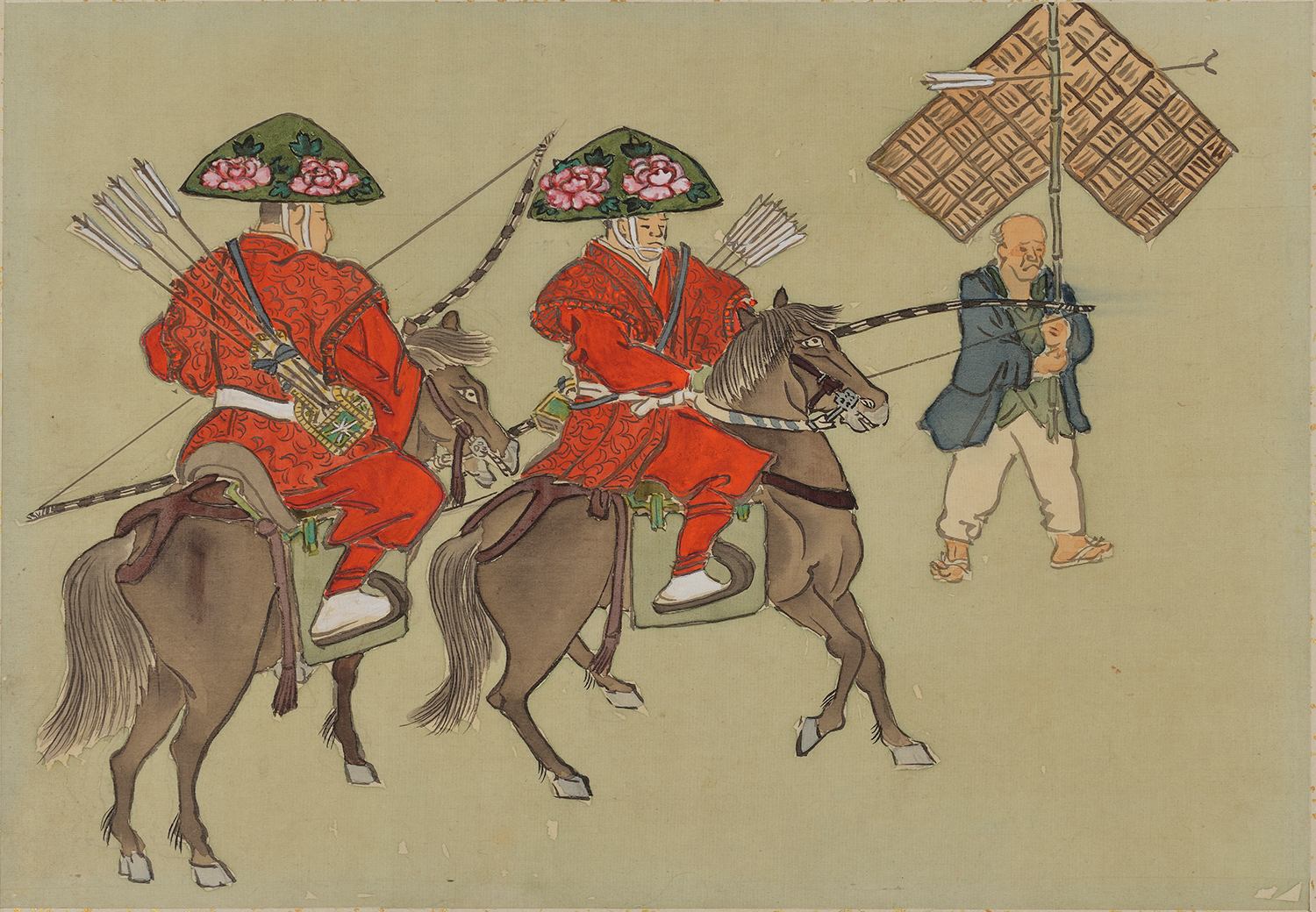
In this painting below , the Tsuwano Hyakkeizu, Painting No. 19, depicting the Yabusame Horseback Archery Parade at the Gion Festival, you can see the proportion between humans and horses as it truly was during the Edo period.
Answer: 17 paintings